CRITICAL MINERALS ENGINEERED
Localising Platinum Group Metal Beneficiation for the Global Hydrogen Economy
MEMBRANE ELECTRODE ASSEMBLIES (MEA)
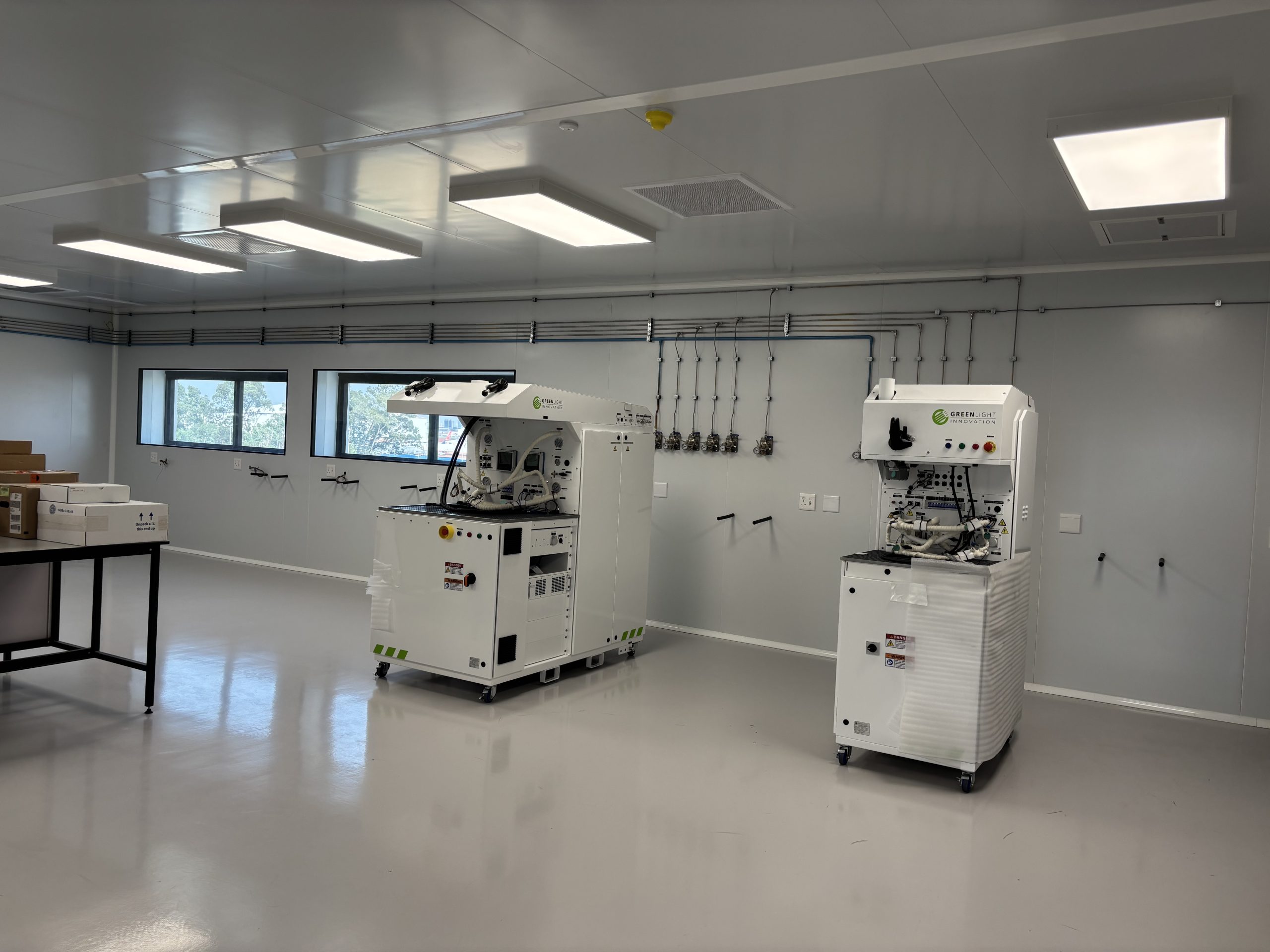
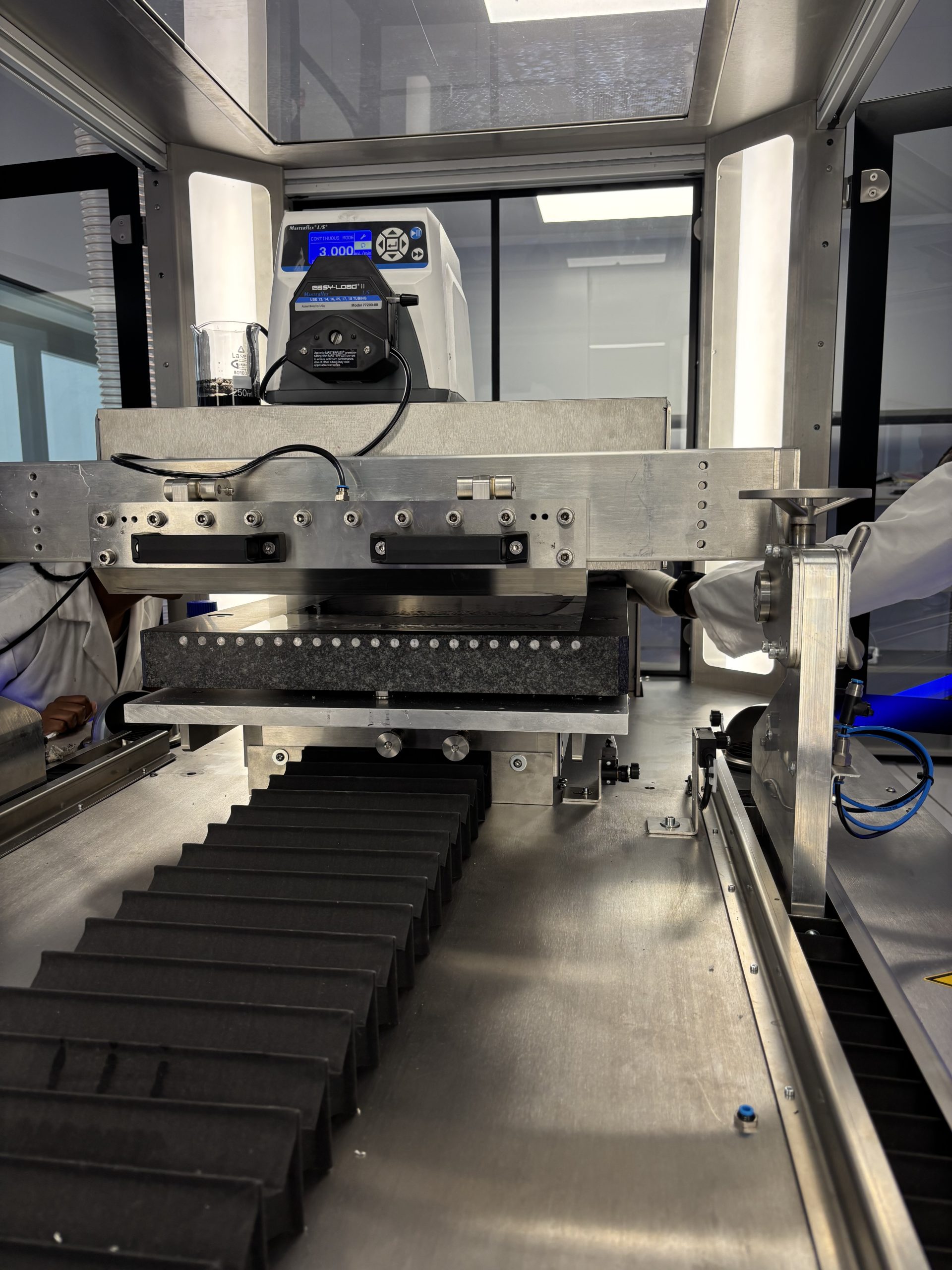
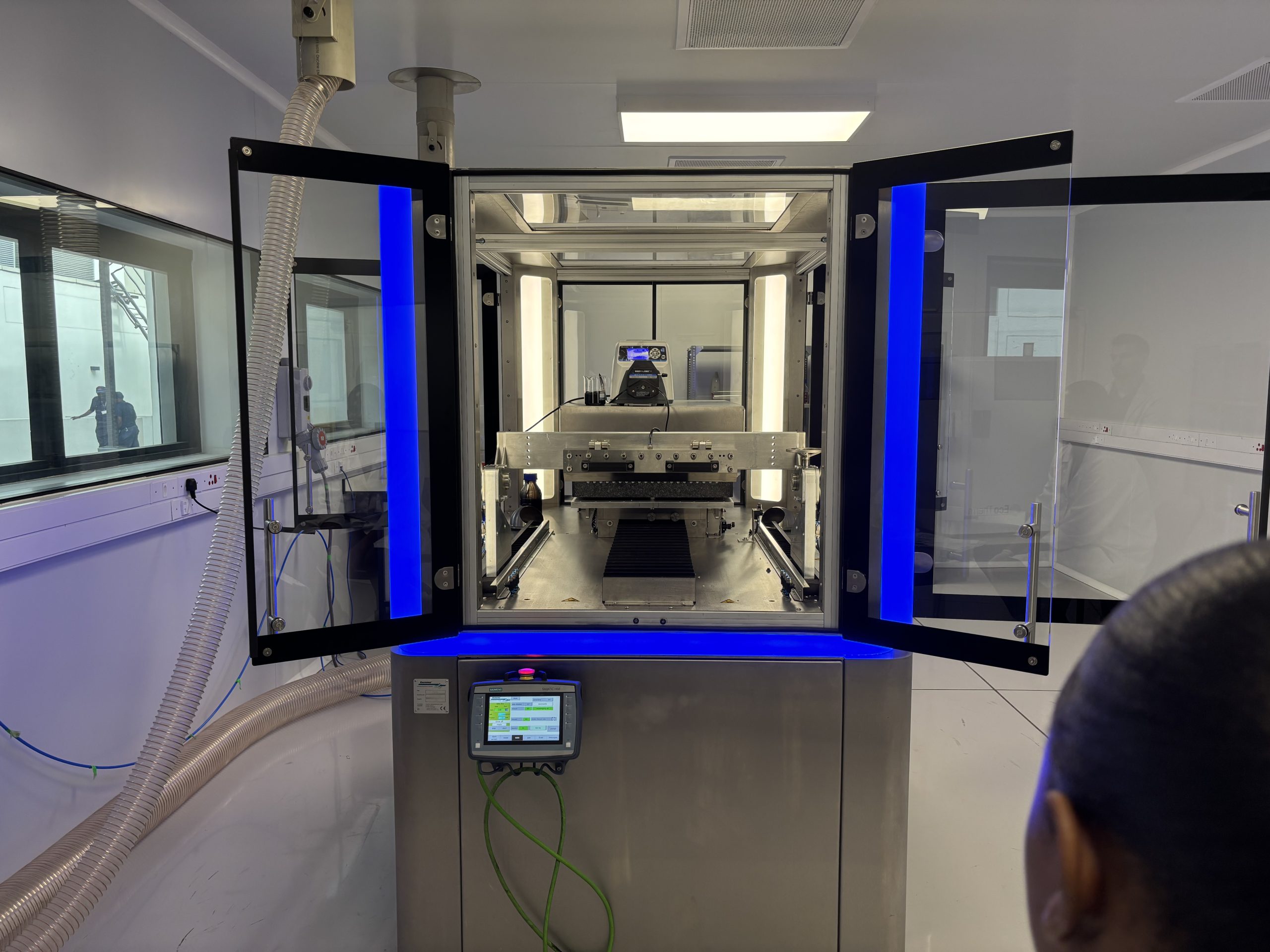
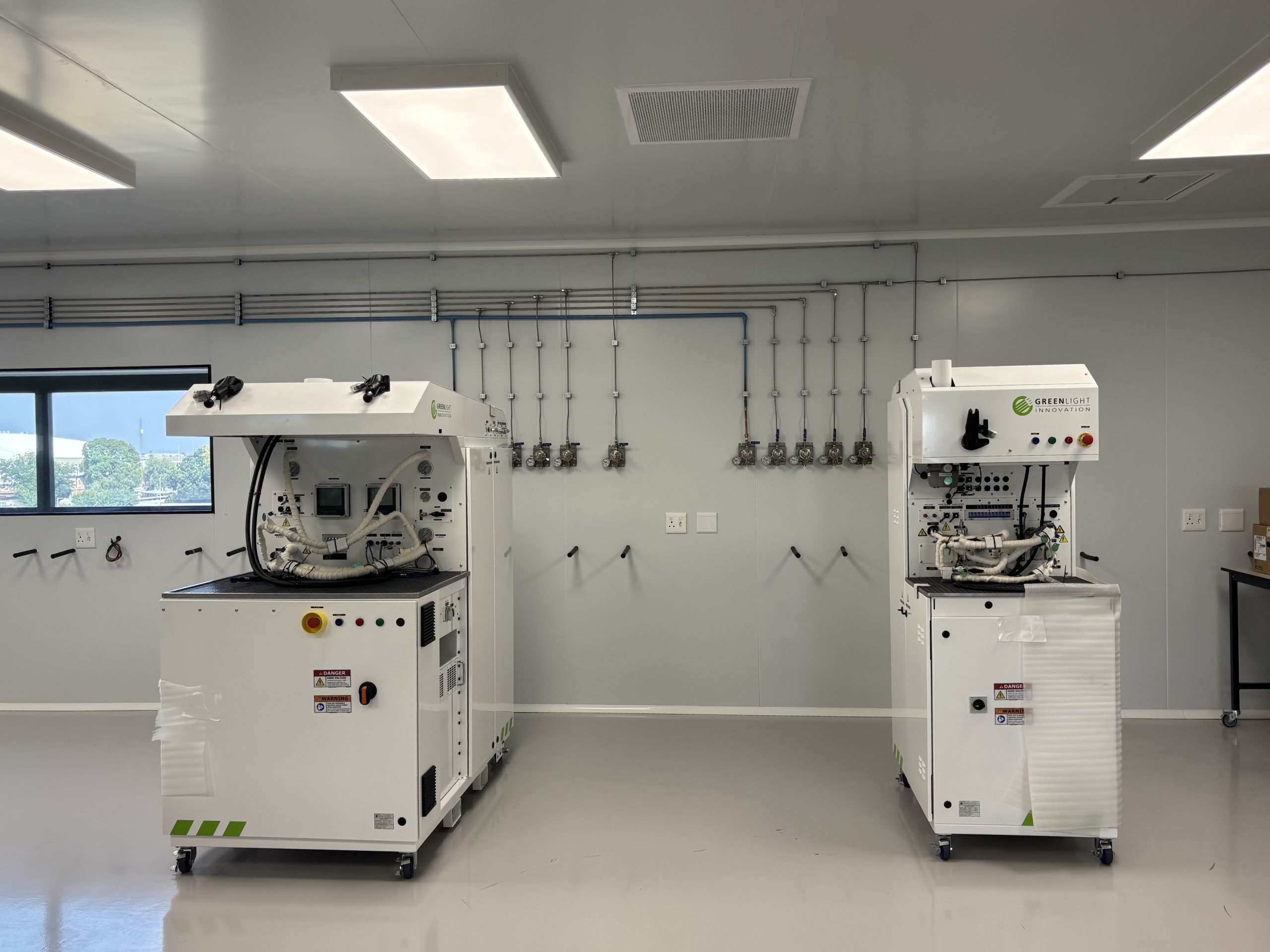
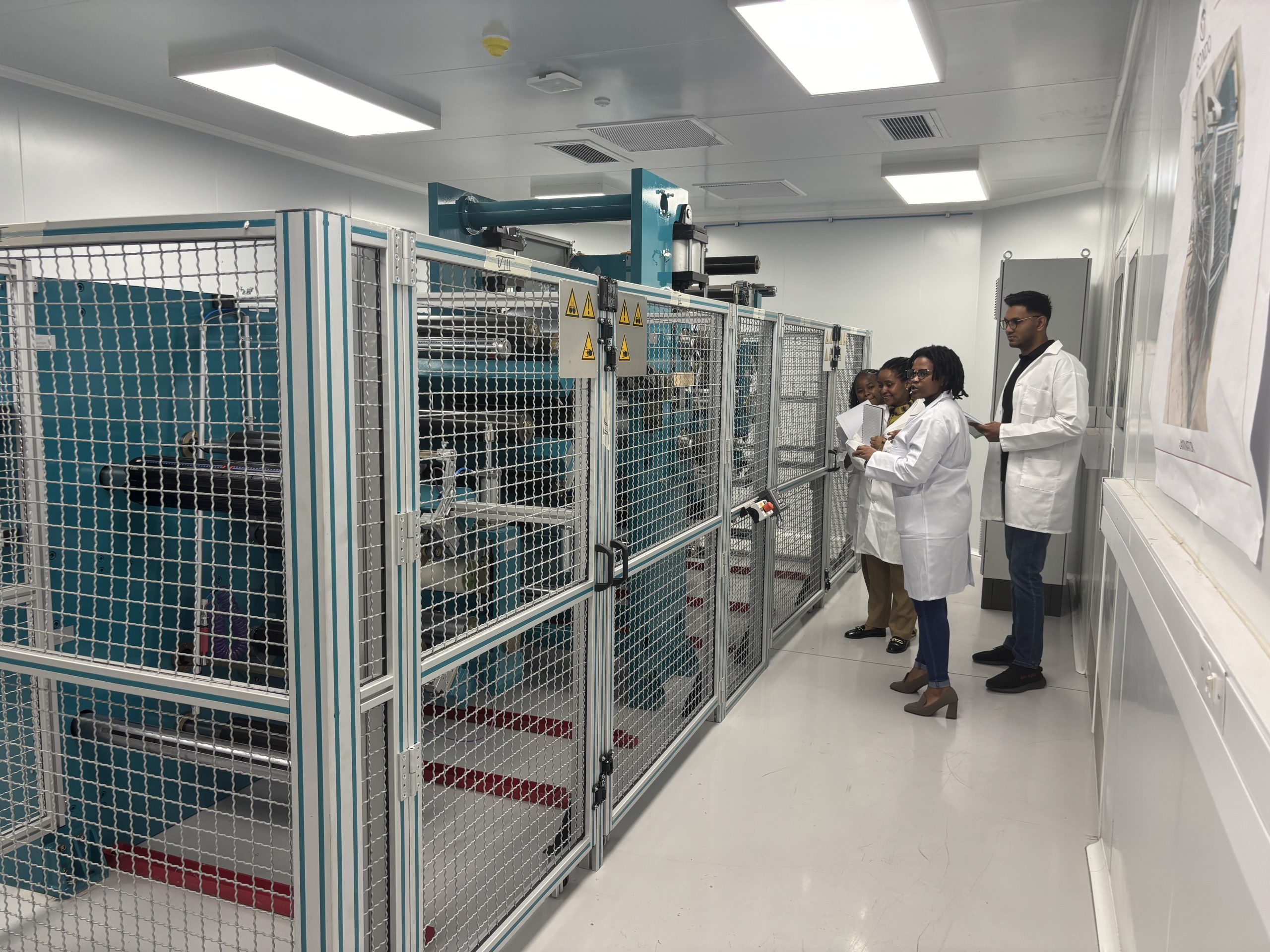
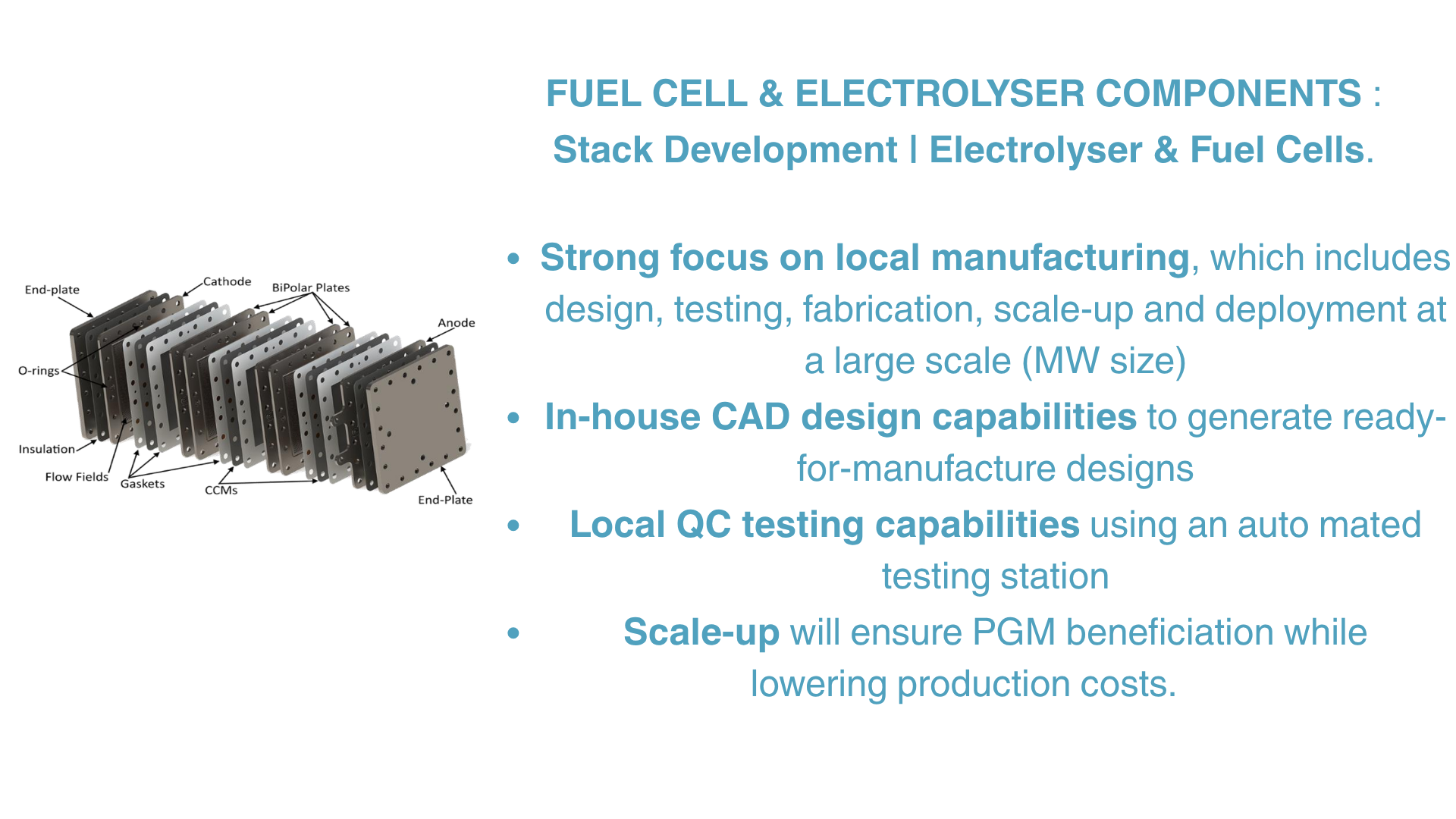
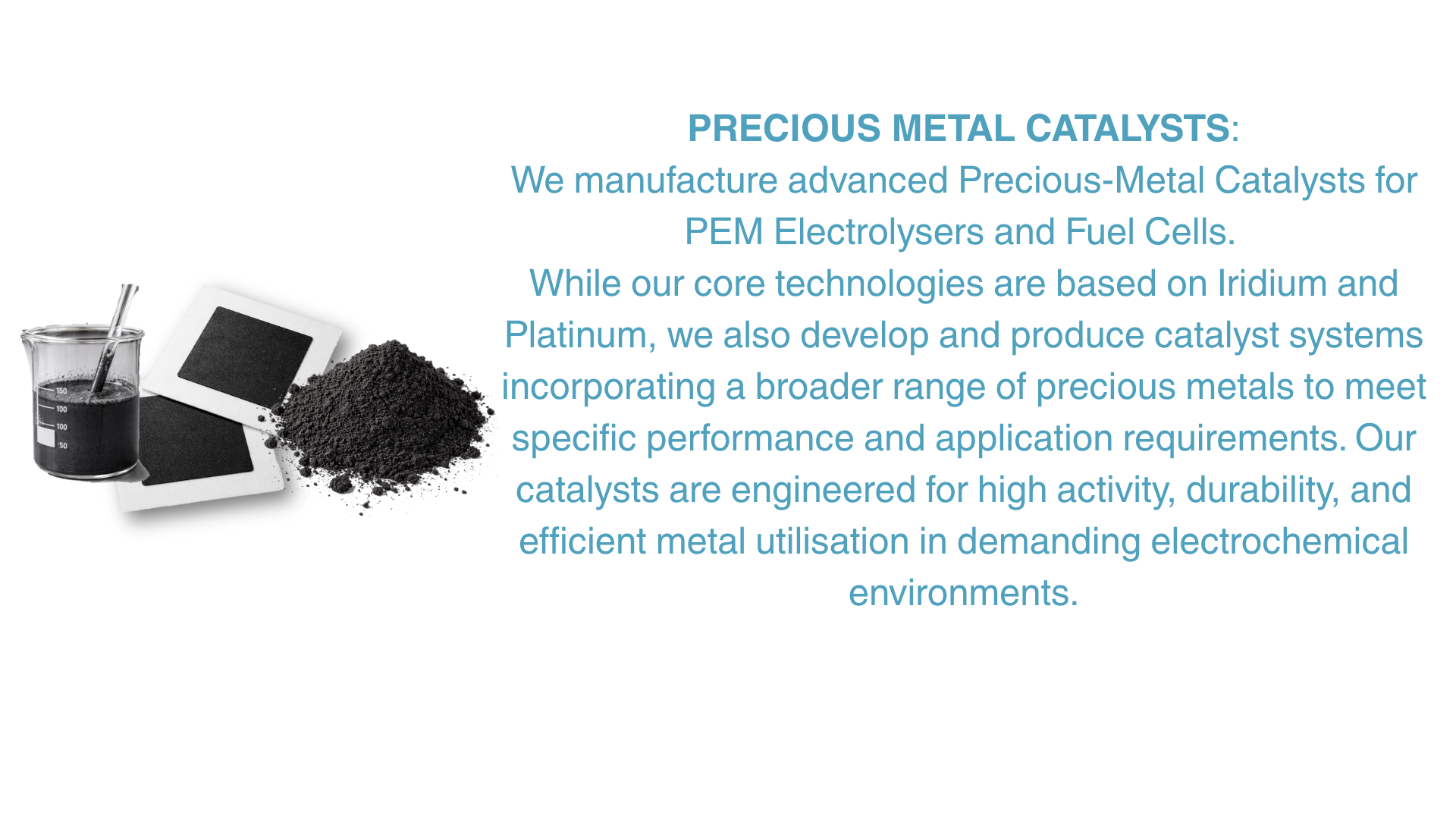
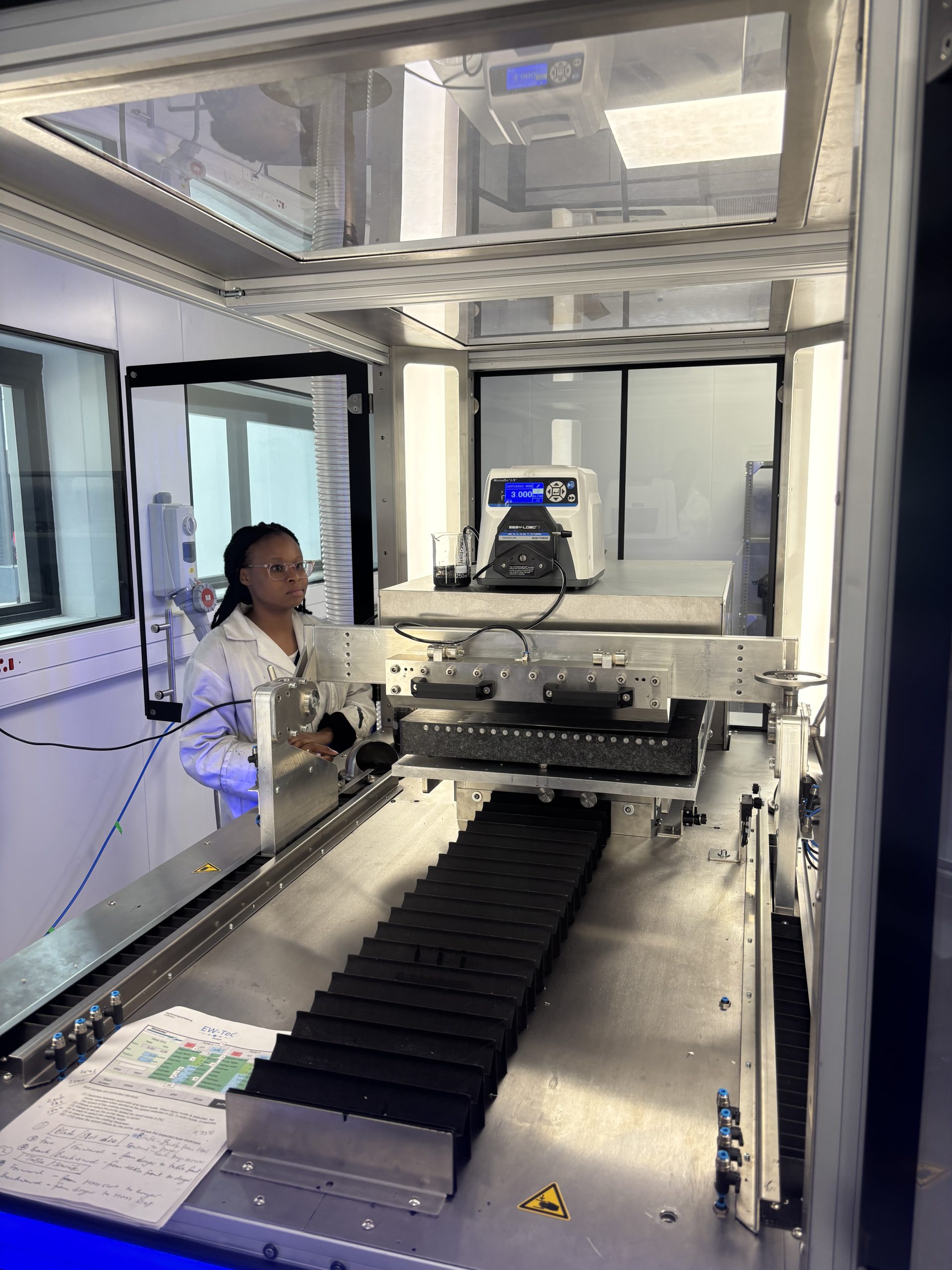
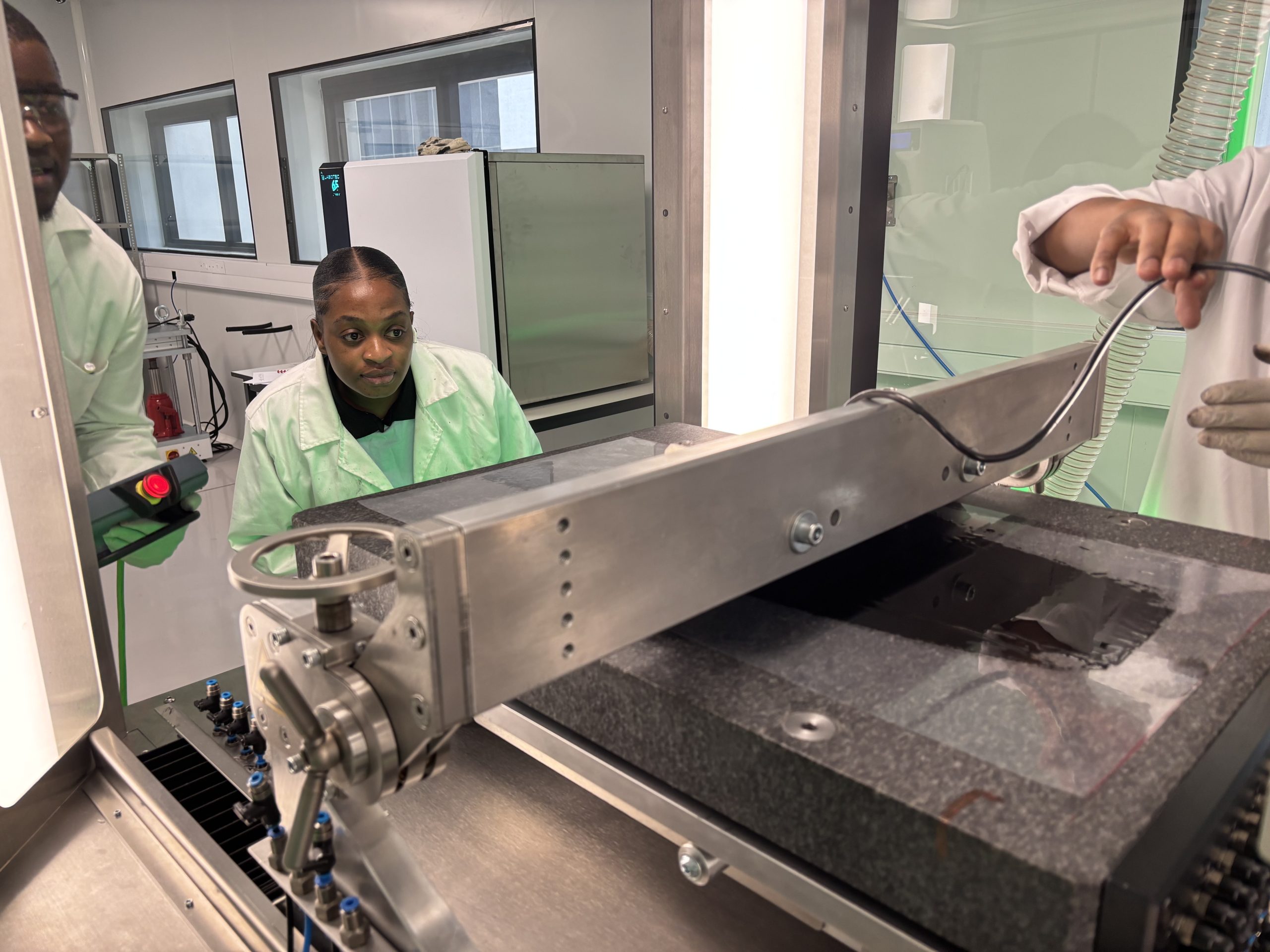
We design and manufacture advanced MEAs that serve as the core functional component of fuel cells and electrolysers. Our MEAs integrate Precision-Engineered Membranes (PEMs) with high-performance catalyst layers; built on our core Iridium and Platinum technologies, alongside other specialised precious-metal formulations. Engineered for efficiency, durability, and optimal power output, they enable reliable hydrogen production and clean energy generation in demanding operating.
PGM Recovery & Recycling:
Recovery of valuable PGMs from spent catalysts and MEAs, enabling material reuse and supply security.
Membrane Recycling:
Developing a process to recover and recycle PFMA Membranes from components to support sustainable manufacturing and reduce material waste.
Core Capabilities
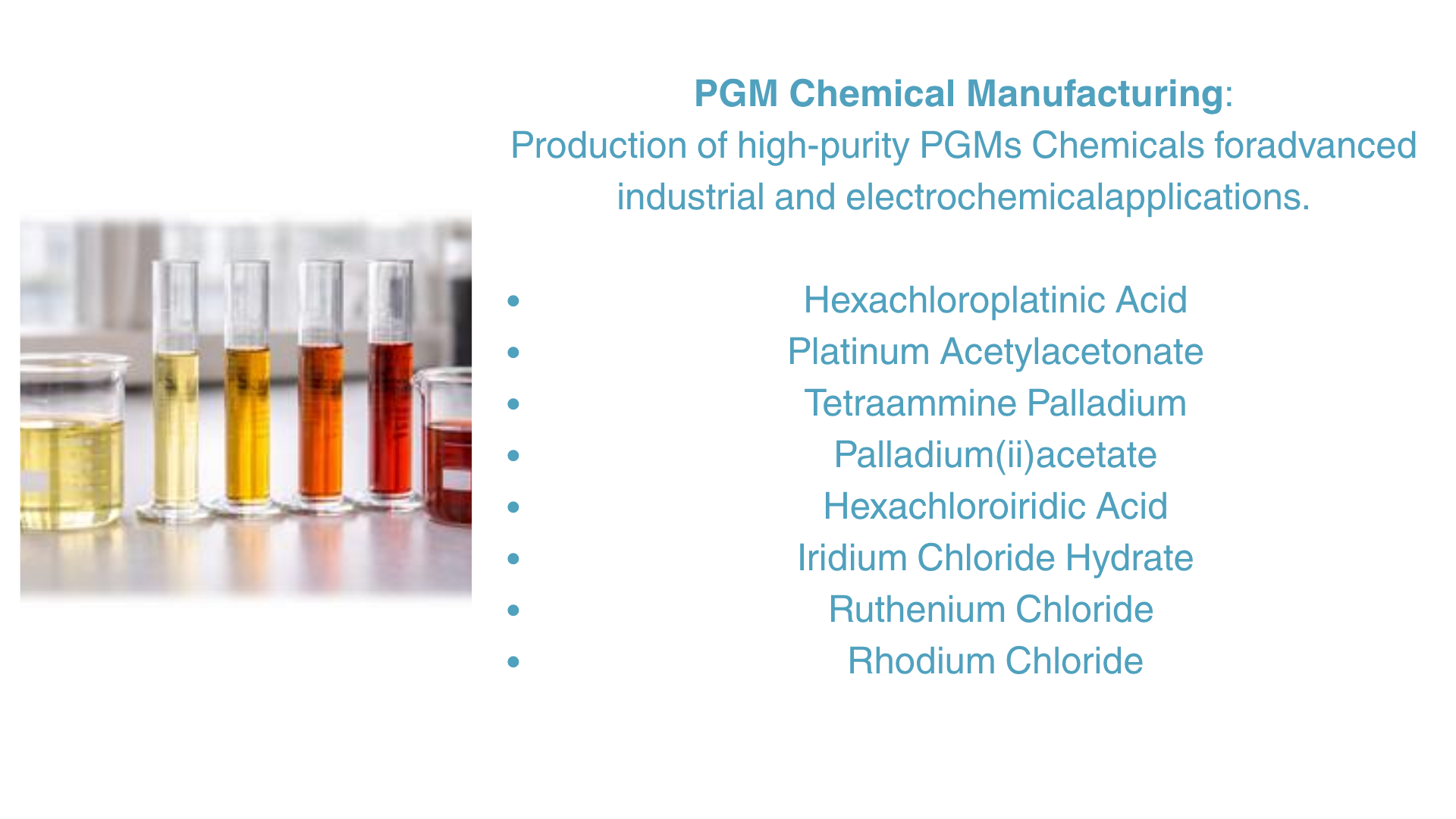
- PGM chemical processing & precursor synthesis
- Precious metal catalyst manufacturing
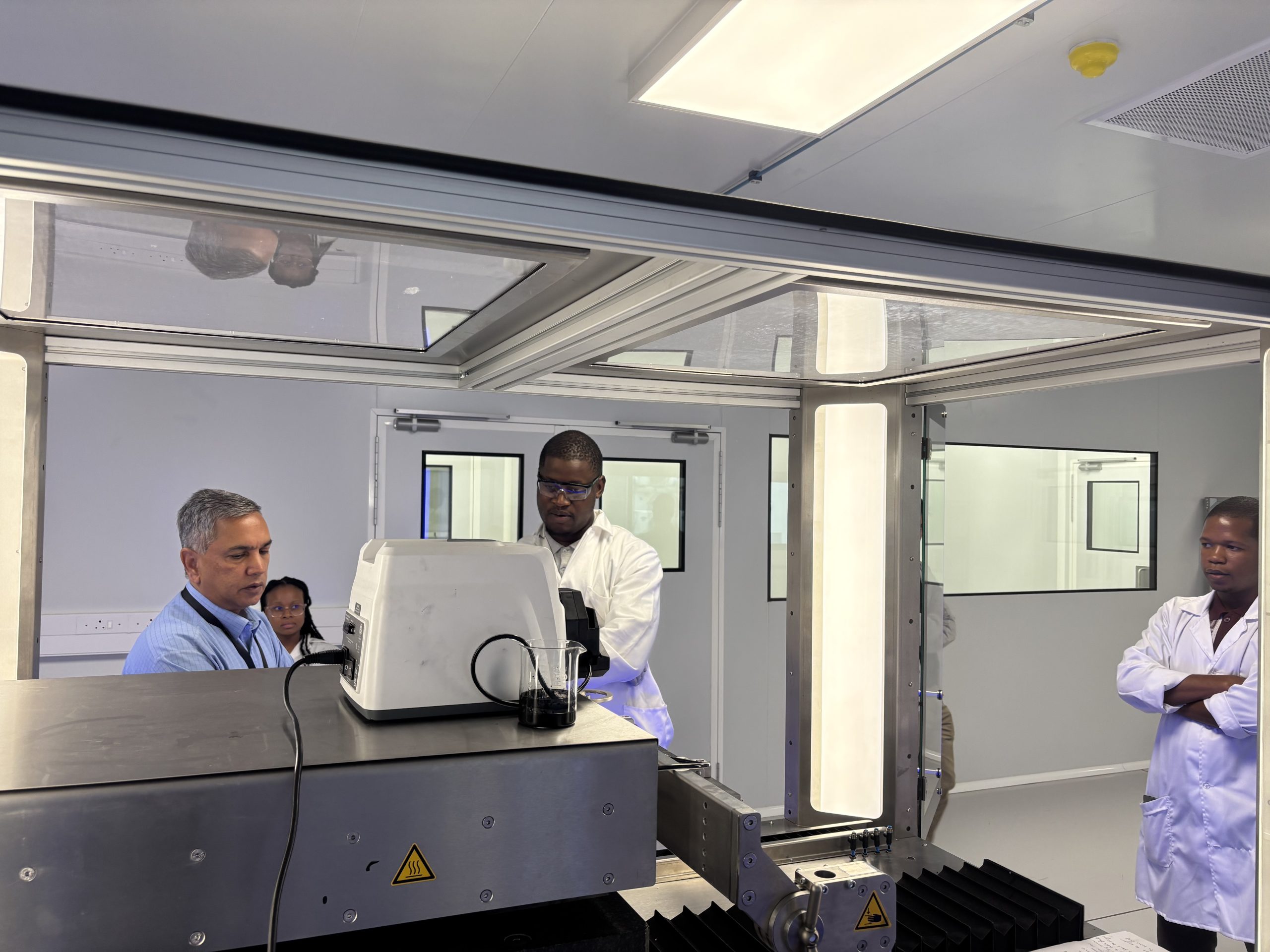
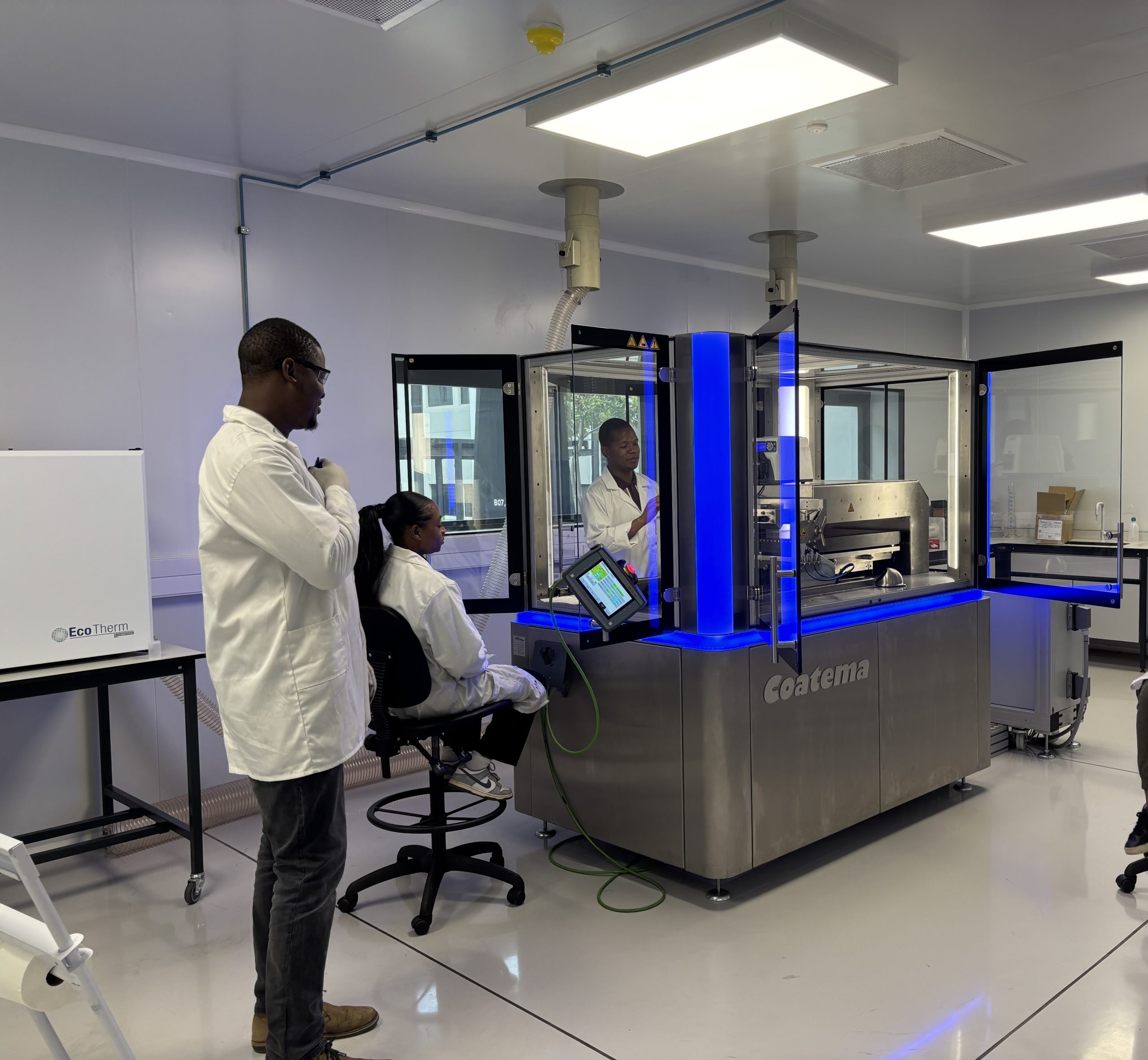
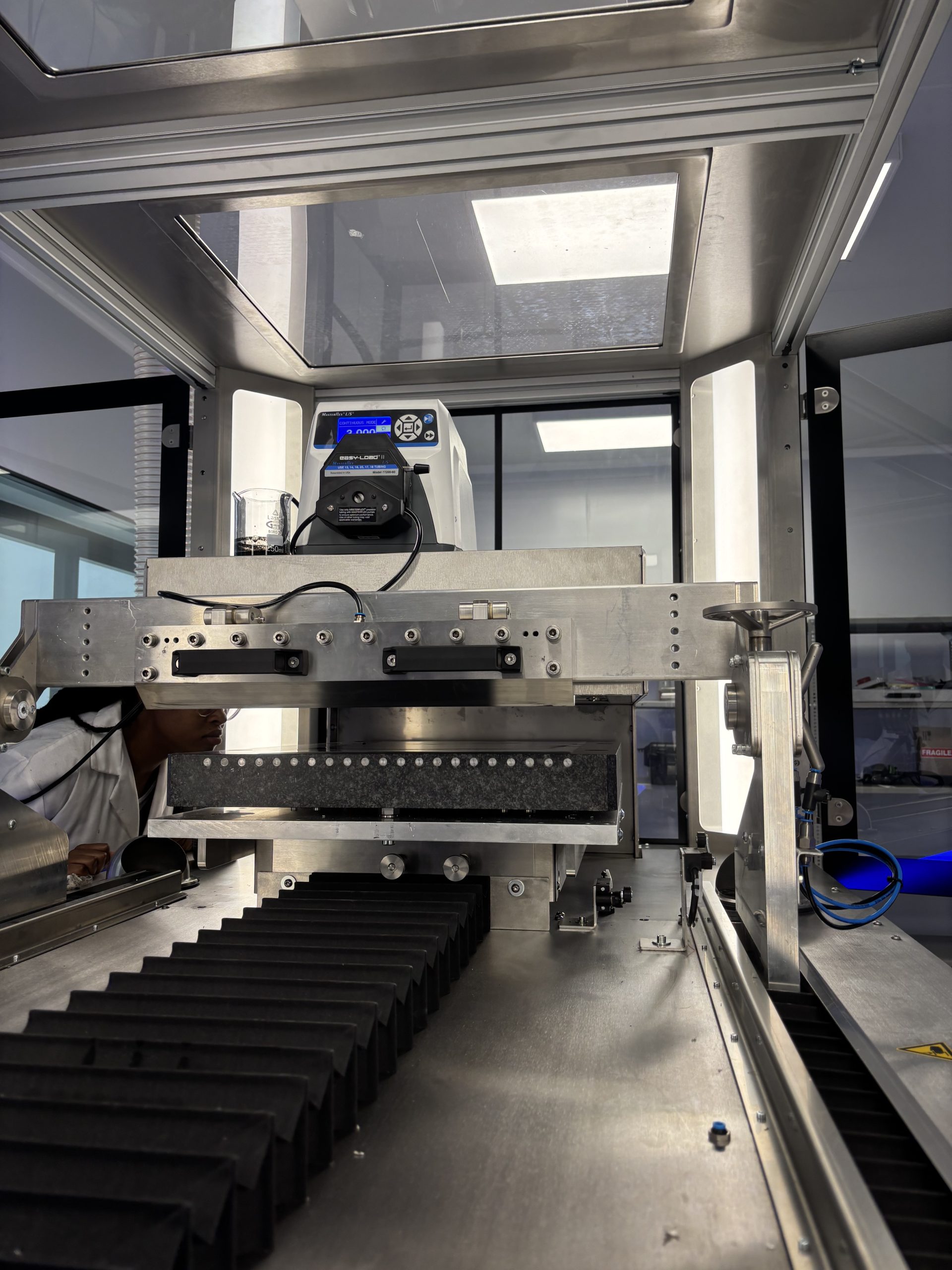
- Catalyst ink formulation
- Catalyst-Coated Membrane (CCM) production
- Membrane Electrode Assembly (MEA) fabrication
- Electrochemical testing & quality control
- PGM recovery & recycling
The facility leverages South Africa’s proximity to PGM resources, technical skills base, and SEZ incentives to enhance competitiveness.
Hydrogen Refuelling
IPM has developed a state-of-the-art hydrogen refuelling station and fuel cell truck and bus deployment project based on exclusive access to 7 tons of hydrogen in Johannesburg (12kms from the OR Tambo Airport). The project is commercially viable today and provides attractive, strong NPV and IRR financial returns. The initial deployment has the capacity to supply between 300-400 vehicles per day. The FCEV cost will equivalent to the total cost of ownership of diesel trucks and buses. The project will save 30 000 tons of carbon per annum
Analytical Services
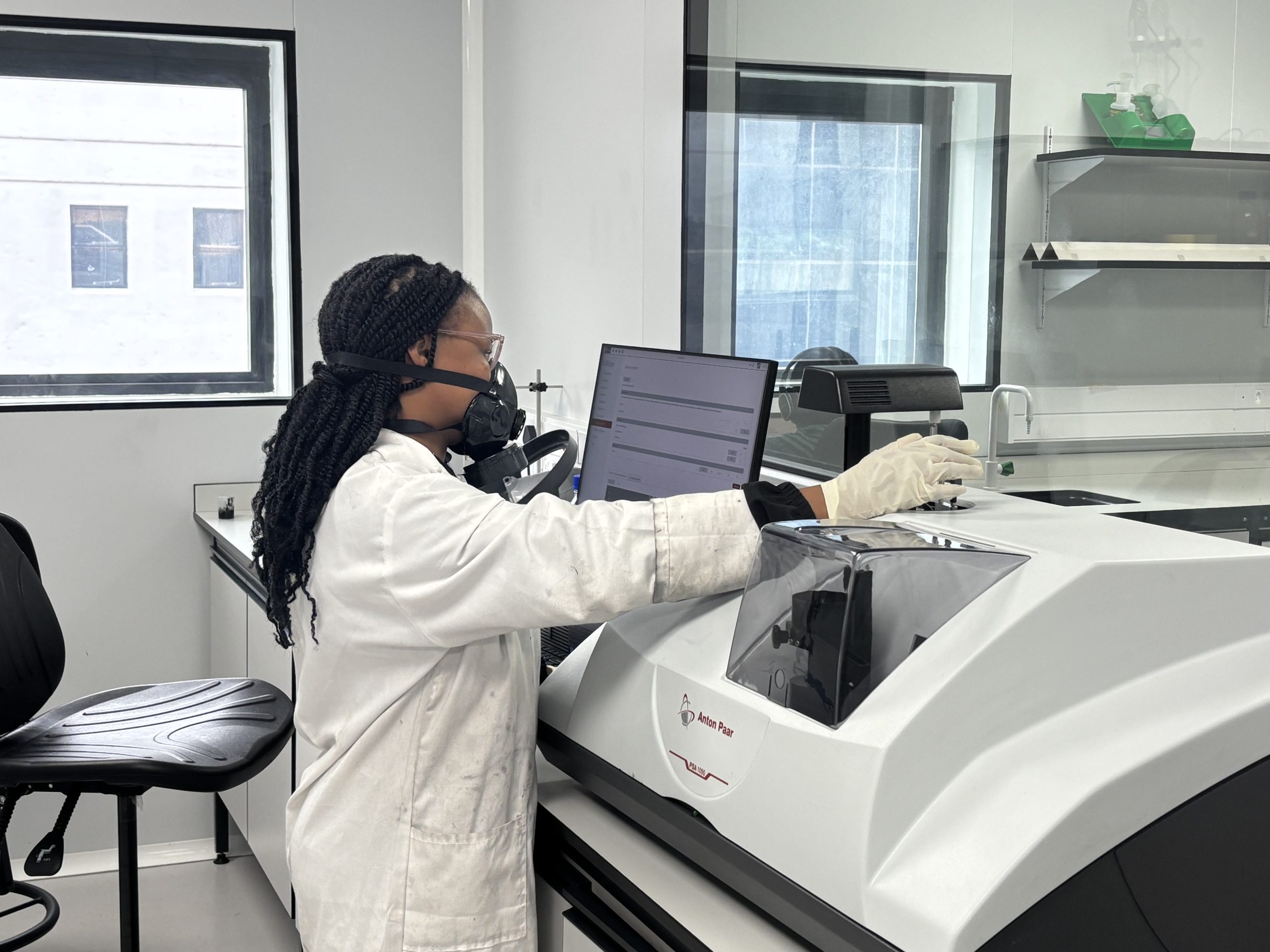
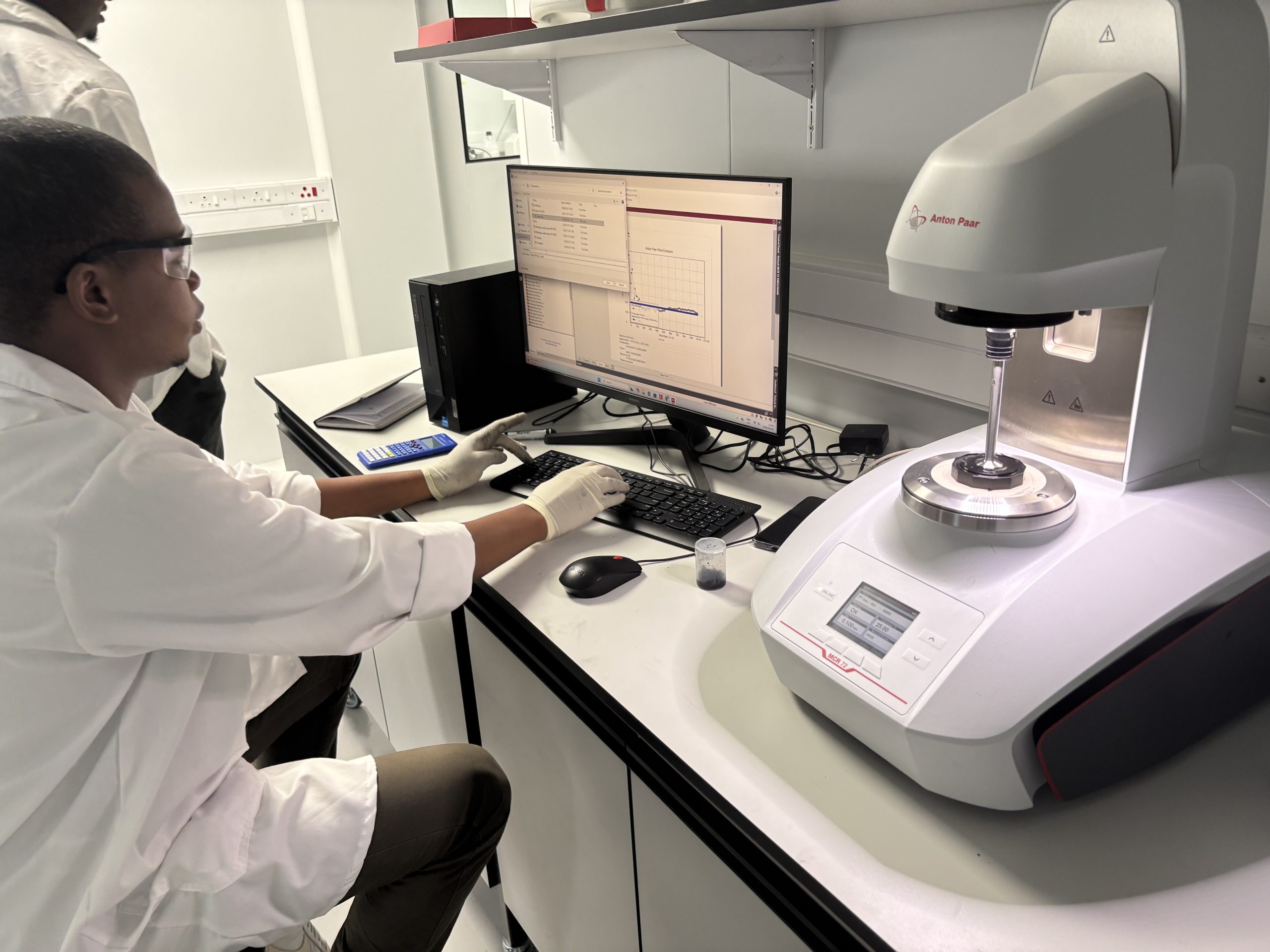
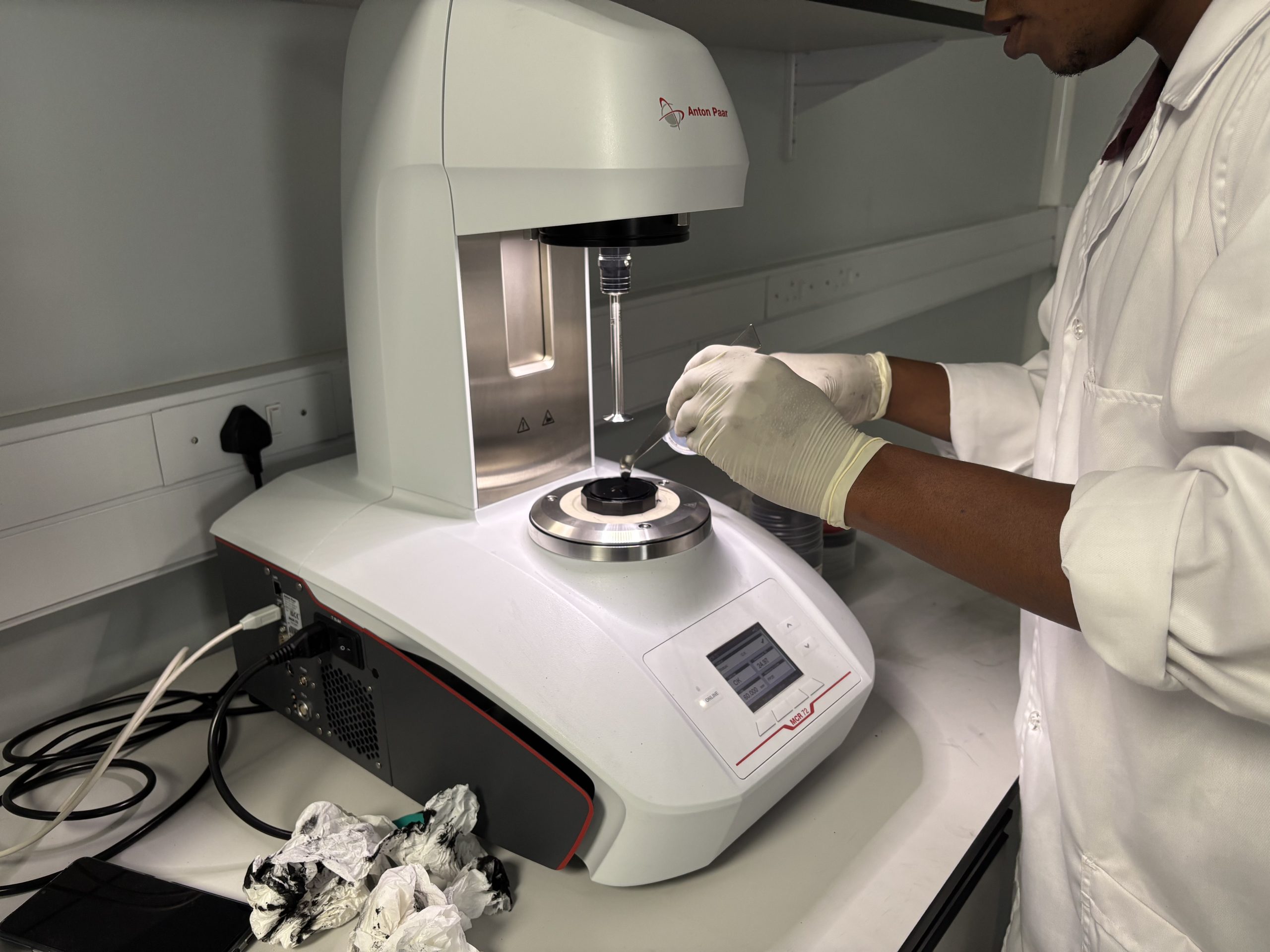
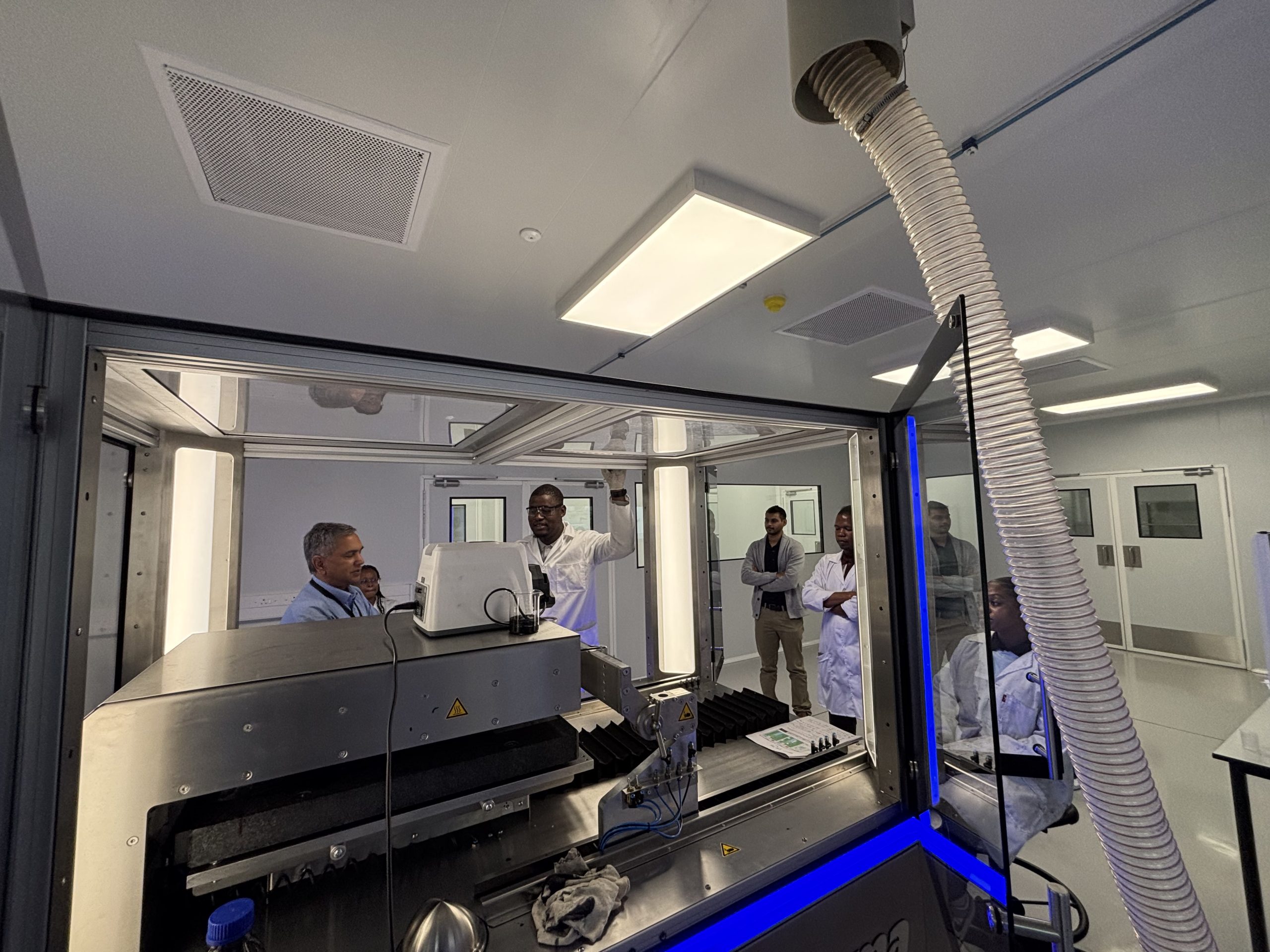
IPM has setup a fully equipped, State of-the Art Analytical & MEA testing Laboratories complying to ISO; LMS 17025, OHAS 45000, EMS 14000 & QMS 9001 standards to provide for the company’s needs in analysing PGM content, PGM Catalysts, Catalyst Precursors & MEA performance. Our laboratories are also able to service customer needs in the following areas :
- Analysis of Precious Metals & related products
- Assays relating to Catalyst Coated Membranes including particle size analysis
- Metal Accounting Assays
- Umpire & 3rd Party Assays
- Sampling & Sample preparation
- Internal Auditing for stock take and compliance
- Preparation of customised laboratory calibration standards: Solid materials & Solutions
- MEA Lifecycle & durability testing
Consulting & Business Development
IPM is a recognised expert in all aspects of the PGM and hydrogen industries and we are available to assist in developing projects across the spectrum.